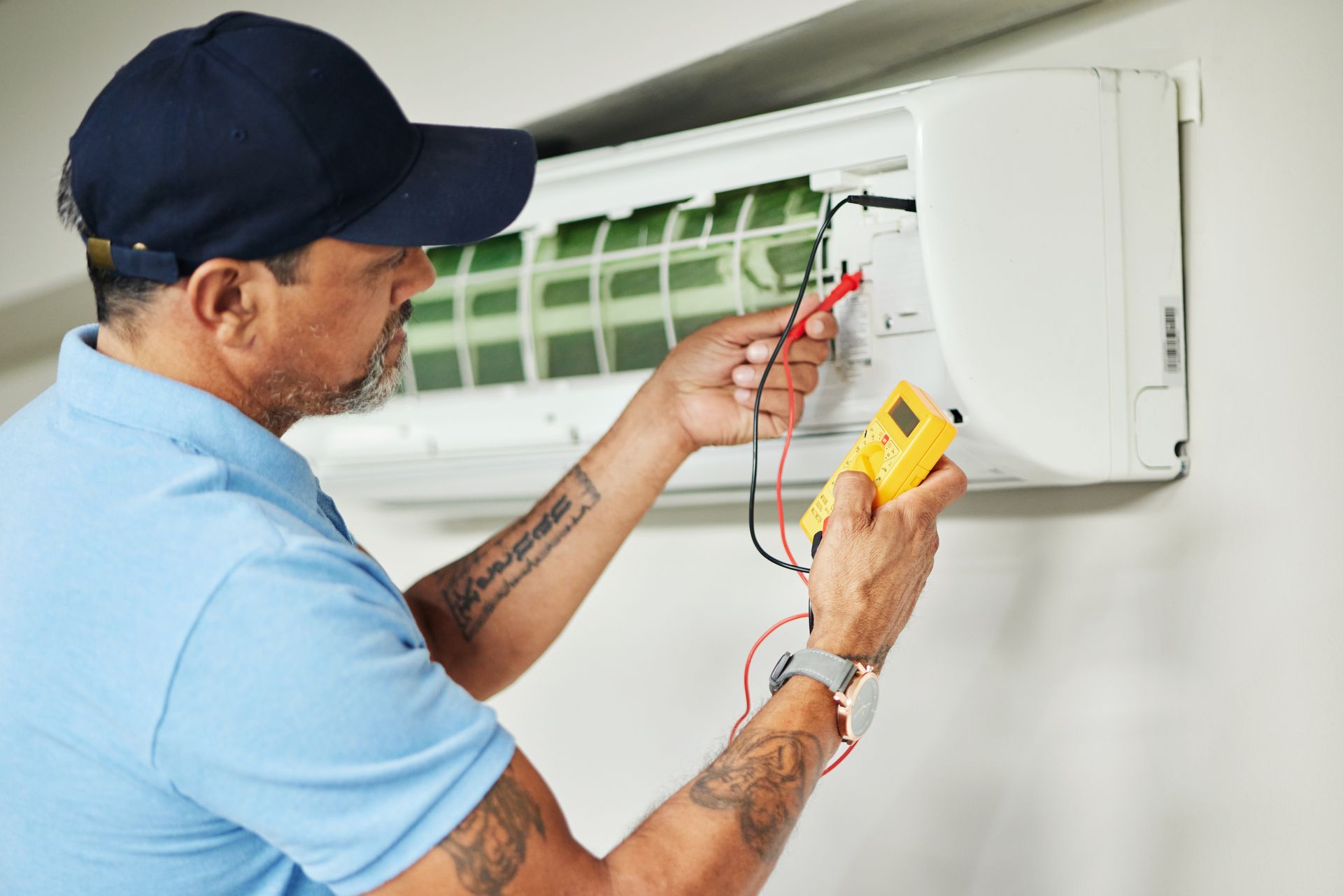
This guide explains how humidity affects Albertville, AL, homes and what an HVAC contractor can do about it. Alabama's summers are hot and humid, and that moisture can make a house feel sticky even when the air conditioning is running. High humidity can also cause other problems indoors. This is general information, and a professional should look at your system before recommending solutions.
Why Humidity Is a Big Deal in North Alabama
Warm air holds a lot of moisture. In summer, much of that moisture ends up inside your home through open doors, small gaps, and daily activities like cooking and showering. Your air conditioner removes some of it, but it may not remove enough in every house.
When indoor humidity stays high, the home can feel clammy. It can also encourage mold, musty smells, and dust mites. Many sources suggest keeping indoor humidity roughly between 30 and 50 percent, though your own comfort and your home matter too.
Signs Your Home Has a Humidity Problem
Some clues are easy to spot. Watch for:
- A sticky or clammy feeling indoors.
- A musty smell, especially in closets or bathrooms.
- Condensation on windows.
- Peeling paint or stains on walls and ceilings.
- Mold or mildew growth on surfaces.
- Warped wood floors or furniture.
If you see several of these signs, ask an HVAC contractor to check your system. Do not ignore visible mold, since it can affect air quality.
How Air Conditioning Helps With Humidity
Your air conditioner cools air and pulls moisture out as it does. The moisture collects on the indoor coil and drains away. A system that runs long enough and is the right size can remove a good amount of humidity.
A system that is too large can cool the house quickly and shut off before it removes much moisture. This is called short cycling, and it can leave a home cool but damp. Proper sizing matters, and a technician can check it.
Common Causes of High Indoor Humidity
Several things can add to the problem. Common causes include:
- An air conditioner that is the wrong size for the house.
- A dirty filter or coil that slows airflow.
- Leaky ducts that pull in humid air from attics or crawl spaces.
- Poor ventilation in bathrooms and kitchens.
- Wet crawl spaces or standing water around the home.
- Gaps and cracks that let humid outdoor air in.
A technician can look for the causes that involve your system and ducts. Other causes may need help from a general contractor.
Solutions a Technician May Suggest
The right fix depends on the cause. Options may include:
Repairing or replacing an AC system that is not working properly.
Sealing and insulating ducts.
Improving ventilation in key areas.
Adding filtration or air quality equipment.
Adjusting thermostat or fan settings.
Installing a dehumidifier or a whole-home dehumidification system, where it makes sense.
Ask which option fits your house, and ask for the reasoning in plain language. Request a written estimate before you decide.
Simple Steps You Can Take Yourself
A few habits can help. Try these:
- Change your air filter on the schedule your contractor recommends.
- Use bathroom and kitchen exhaust fans during showers and cooking.
- Keep the thermostat fan on auto unless your contractor advises otherwise.
- Fix leaks, and keep gutters and downspouts clear.
- Keep furniture from blocking vents.
- Use a hygrometer to check your indoor humidity.
These steps help, but they may not solve a bigger system problem. If humidity stays high, call a professional.
Thermostat Settings and Humidity
Some homeowners turn the thermostat way down to fight humidity. That can waste energy and may not fix the real cause. Setting the temperature too low can also make the system cycle in ways that do not remove much moisture.
Ask your contractor about the best settings for your system. Do not assume that colder always means drier.
Ventilation and Indoor Air Quality
Fresh air and ventilation affect humidity and air quality. Tight, well-sealed homes can trap moisture. Controlled ventilation can help bring in fresh air in a managed way.
Ask your contractor about ventilation solutions and filtration. These can also help with dust and odors. Choose options that fit your house and budget.
When to Call a Professional
Some humidity problems need expert help. Call a licensed contractor if you notice:
Humidity that stays high even with the AC running.
Water around your indoor unit.
Mold that keeps coming back.
Ice on the refrigerant lines or coil.
A system that runs constantly but does not cool well.
Call a professional right away for any burning smell or electrical issue, and turn the system off if it is safe to do so.
Common Questions About Humidity
Will a Bigger Air Conditioner Fix a Humidity Problem?
Not necessarily. An oversized system can make humidity worse by shutting off too quickly. A properly sized system is usually a better answer, and a contractor can check.
Do I Need a Dehumidifier?
It depends on your home and the cause of the moisture. Some homes do well with repairs and better ventilation, and others benefit from added equipment. A contractor can help you decide.
How Often Should I Have My AC System Checked?
Many contractors recommend a yearly tune-up before summer starts. Regular checks catch dirty coils, airflow problems, and drainage issues early, which helps your system keep removing moisture properly.
Can an HVAC Contractor Help With Mold Caused by Humidity?
A technician can find and fix system problems that add moisture, but existing mold may need a cleanup specialist. Fixing the humidity source helps keep mold from coming back.
Talk With a Local HVAC Contractor
Budget Heating and Cooling, a Horton, AL-based HVAC contractor, is serving Albertville, AL, with air conditioning service and ventilation solutions that address Alabama's humidity. The team is licensed, bonded, and insured and offers free estimates. You can learn more on our
Albertville HVAC services page.
Call
(256) 840-5015 or use our
contact page to ask about humidity in your home. Office hours are Monday through Friday from 8:00 AM to 5:00 PM, and 24-hour emergency service is available.