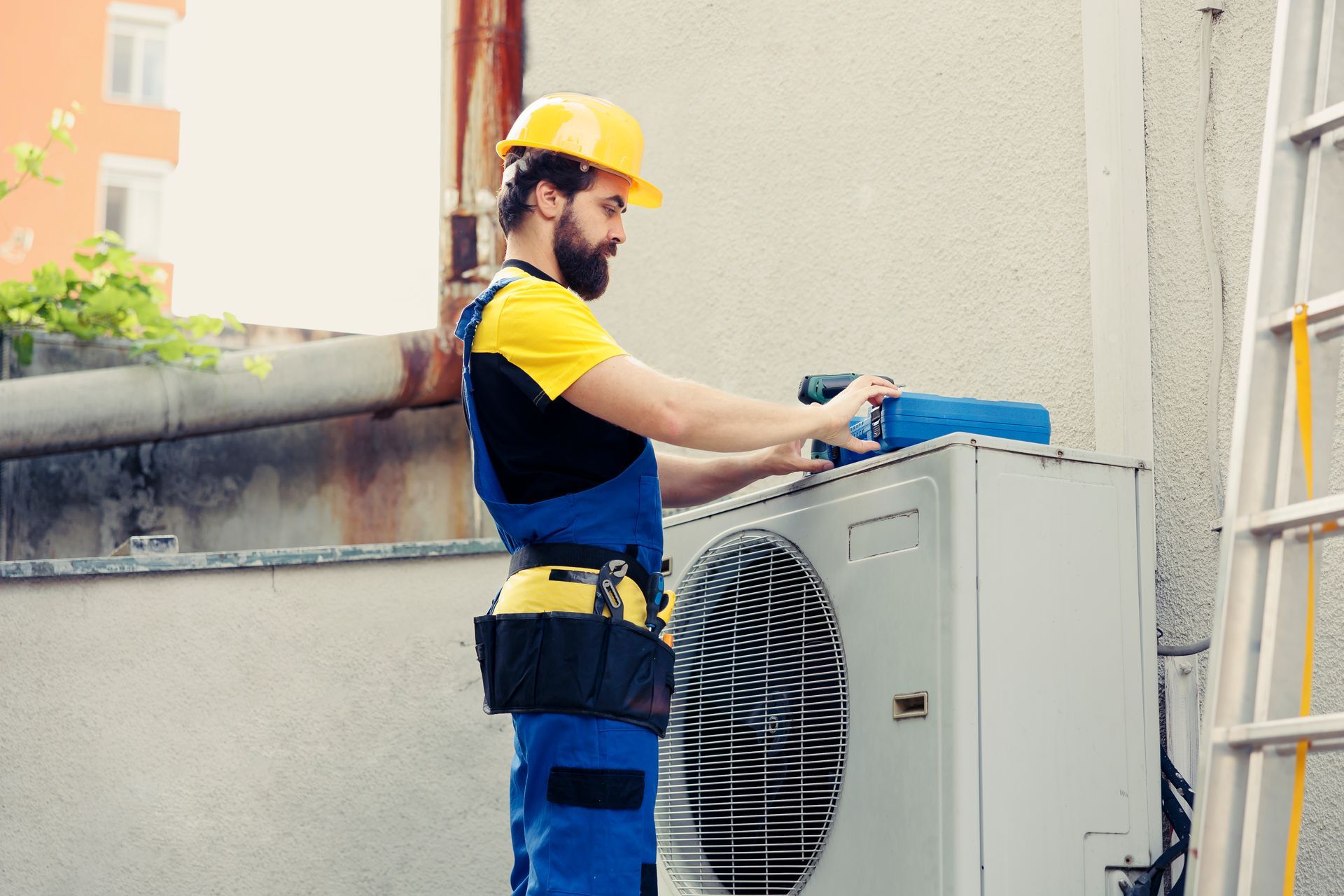
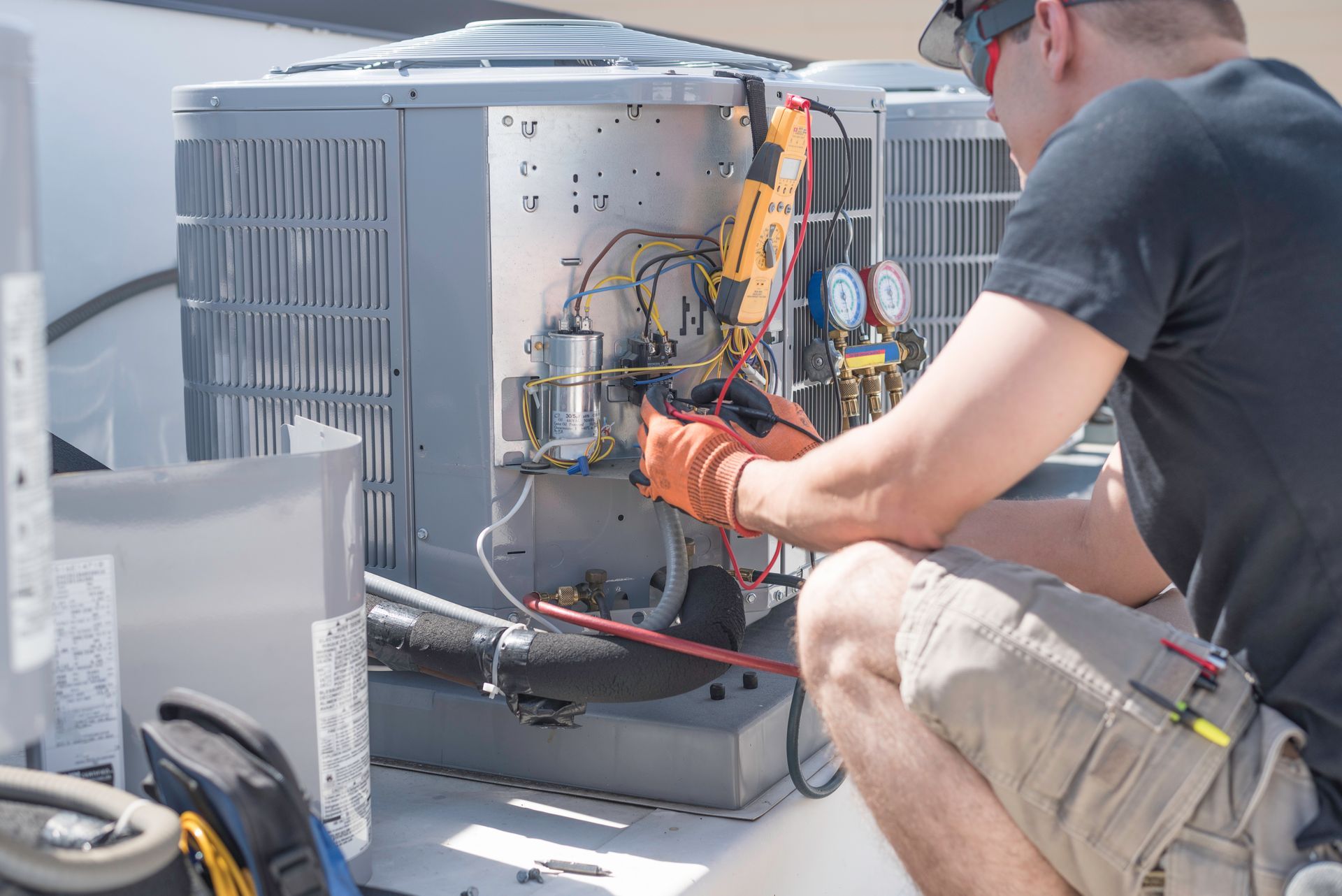
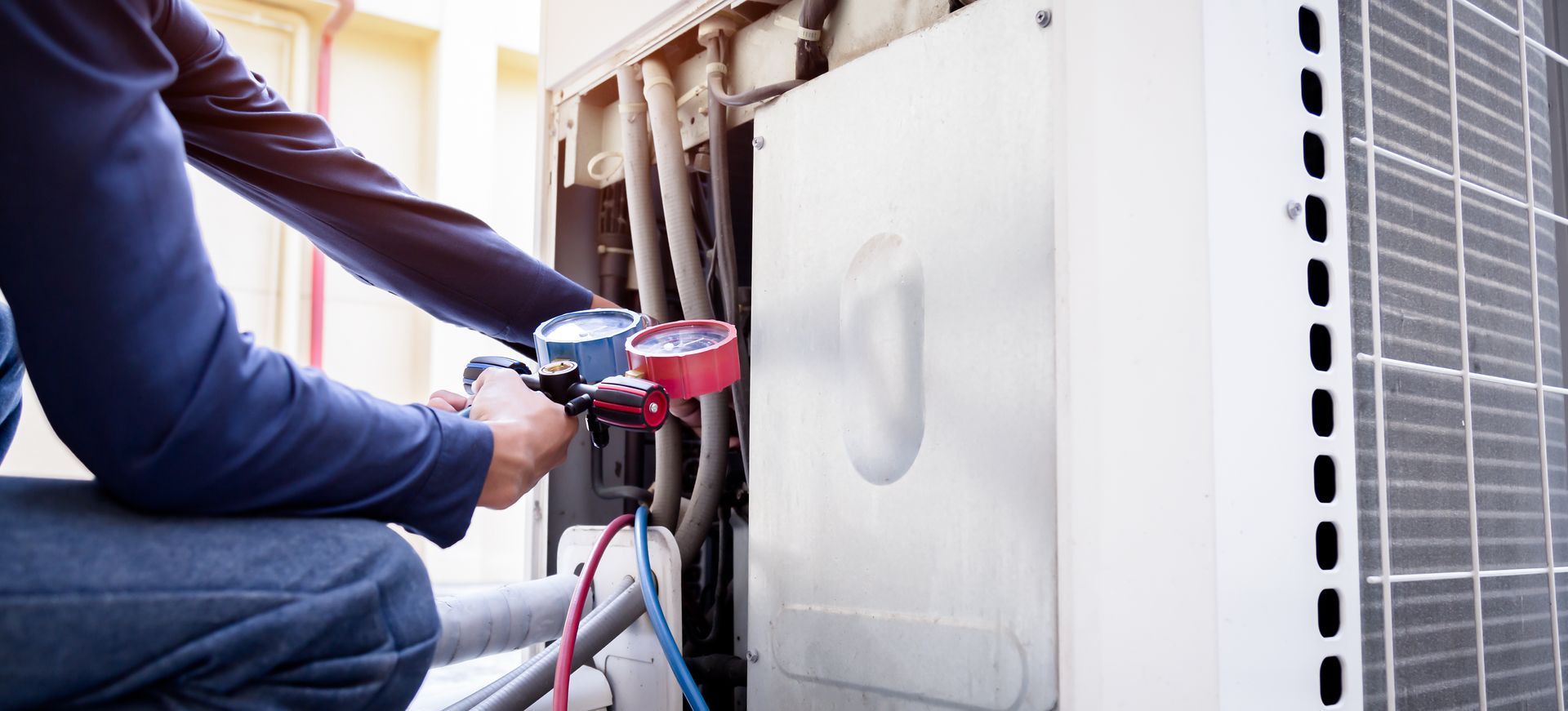
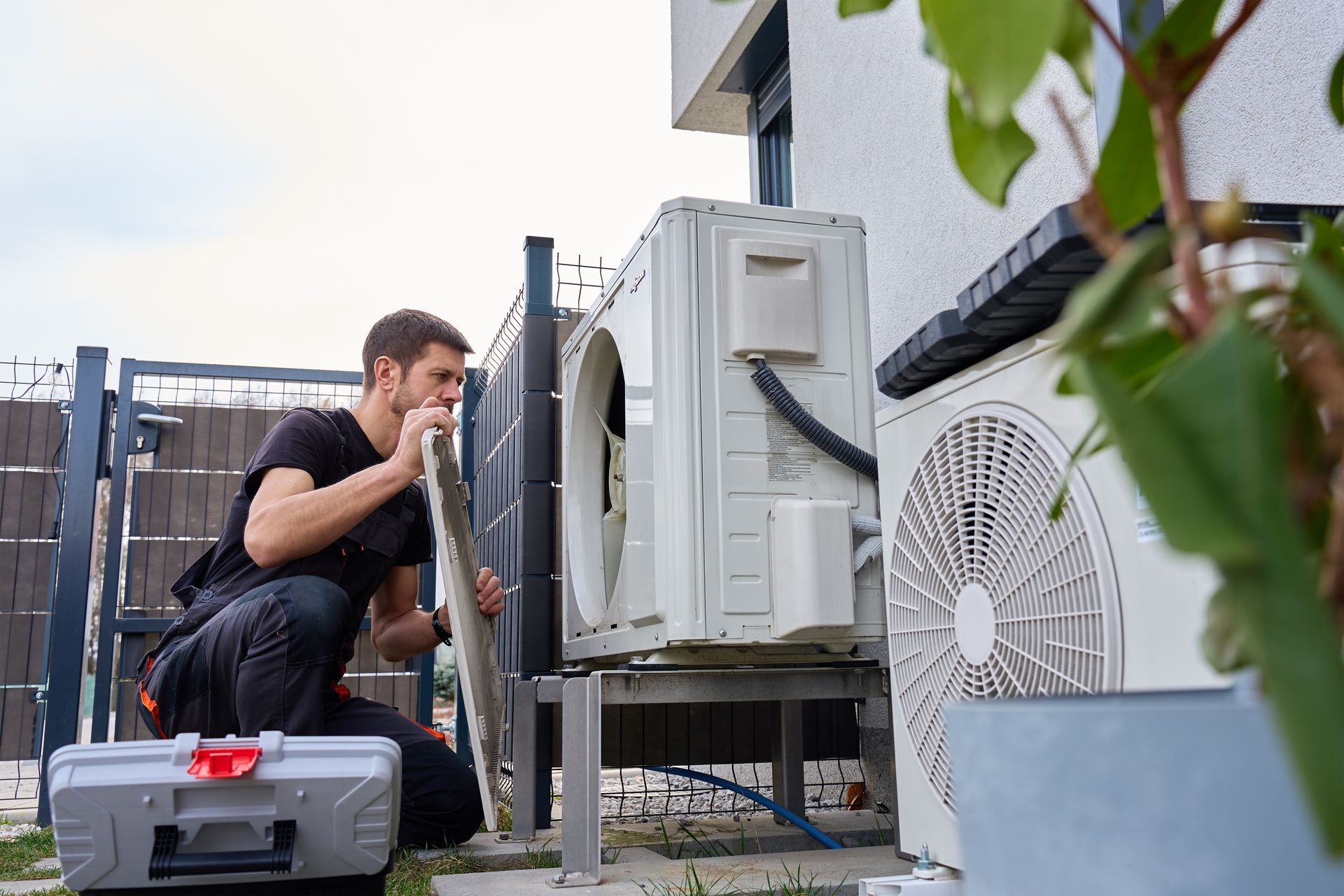
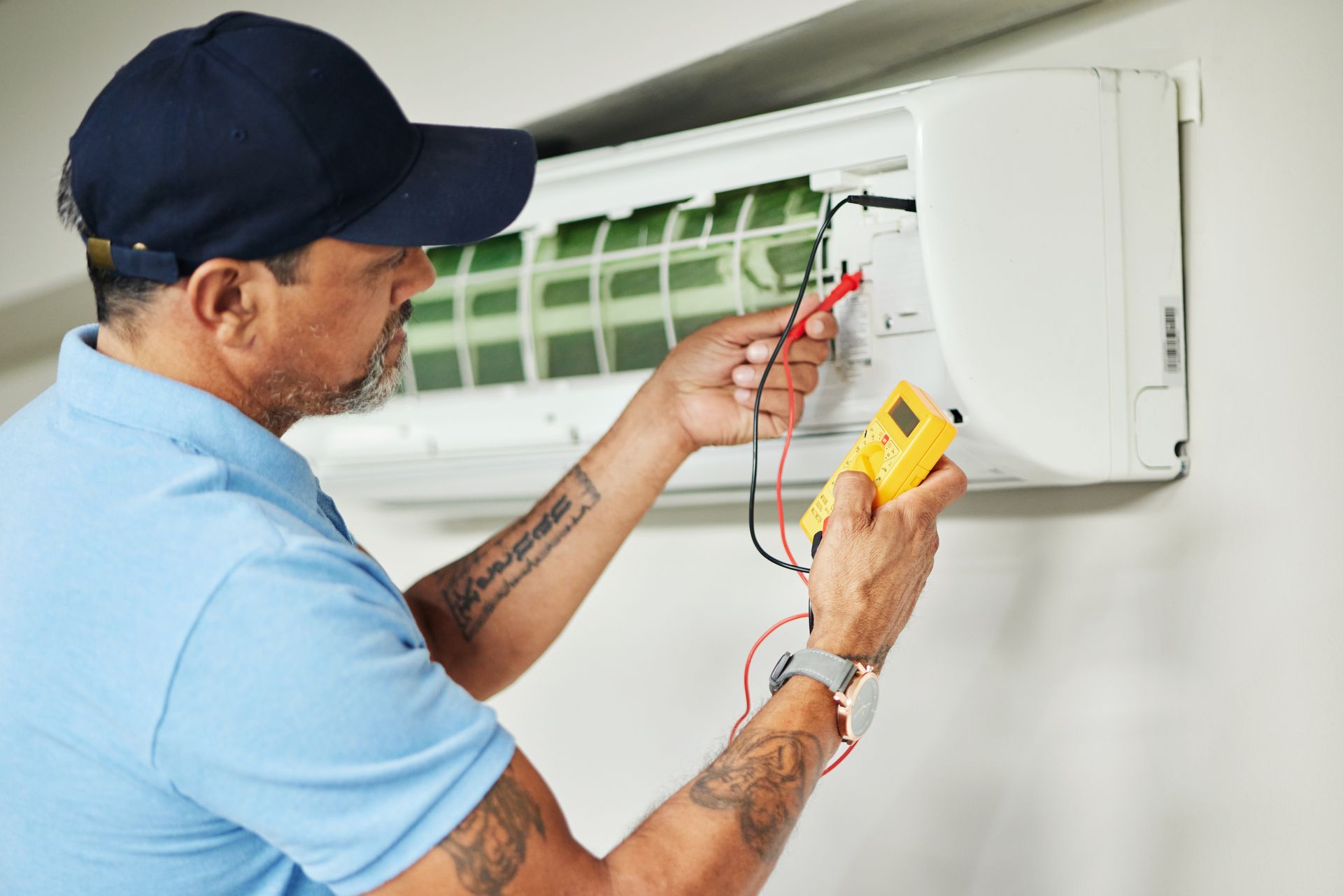
This guide helps Albertville, AL, homeowners compare heat pumps and gas furnaces and explains how a home HVAC contractor can help you choose. North Alabama has hot, humid summers and winters that dip below freezing, so your system works hard in both seasons. The right choice depends on your house, your fuel options, and your priorities. This is general information, and a home HVAC contractor should look at your property before you decide.
How a Heat Pump Works
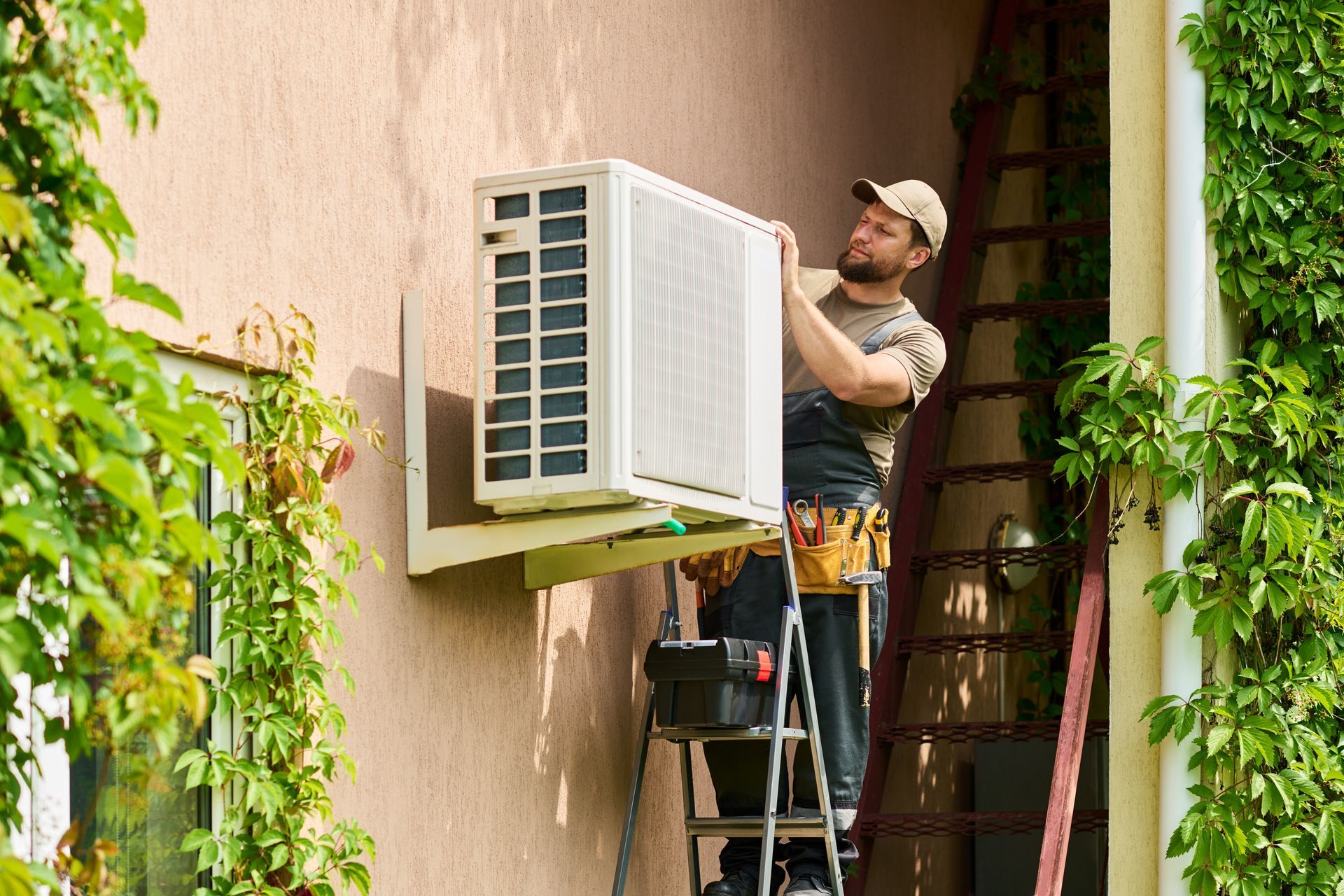
A heat pump moves heat instead of making it. In summer, it works like an air conditioner and moves heat from inside your house to the outdoors. In winter, it reverses and pulls heat from the outdoor air to warm your home.
Because one system can both heat and cool, many homeowners find heat pumps appealing. They usually include an indoor air handler and an outdoor unit. Some models include backup heating for very cold days.
How a Gas Furnace Works
A gas furnace burns natural gas or propane to create heat. A blower pushes warm air through your ductwork and into your rooms. The furnace handles heating only, so most homes pair it with a separate air conditioner for summer.
Furnaces produce strong, steady heat, and many people like the feel of it. They require a gas supply and proper venting. Safety checks matter, since combustion equipment needs careful installation and upkeep.
Comfort and Climate in North Alabama
Alabama's winters are milder than winters farther north, but cold snaps do happen. Heat pumps tend to work well in milder climates, since they do not have to work against extreme cold as often. Gas furnaces can deliver strong heat during cold stretches.
Summers matter too. Your air conditioning runs for many months, so it deserves as much thought as your heating. A home HVAC contractor can explain how each option fits your climate and your house.
Fuel and Utility Considerations
Your fuel options can steer the decision. A home with natural gas service may find a furnace convenient. A home without gas may lean toward a heat pump or another option.
Running costs depend on your utility rates, your home's insulation, and the equipment you choose. Ask a home HVAC contractor to explain the factors rather than relying on a general rule. Request written estimates so you can compare.
Equipment Life and Maintenance
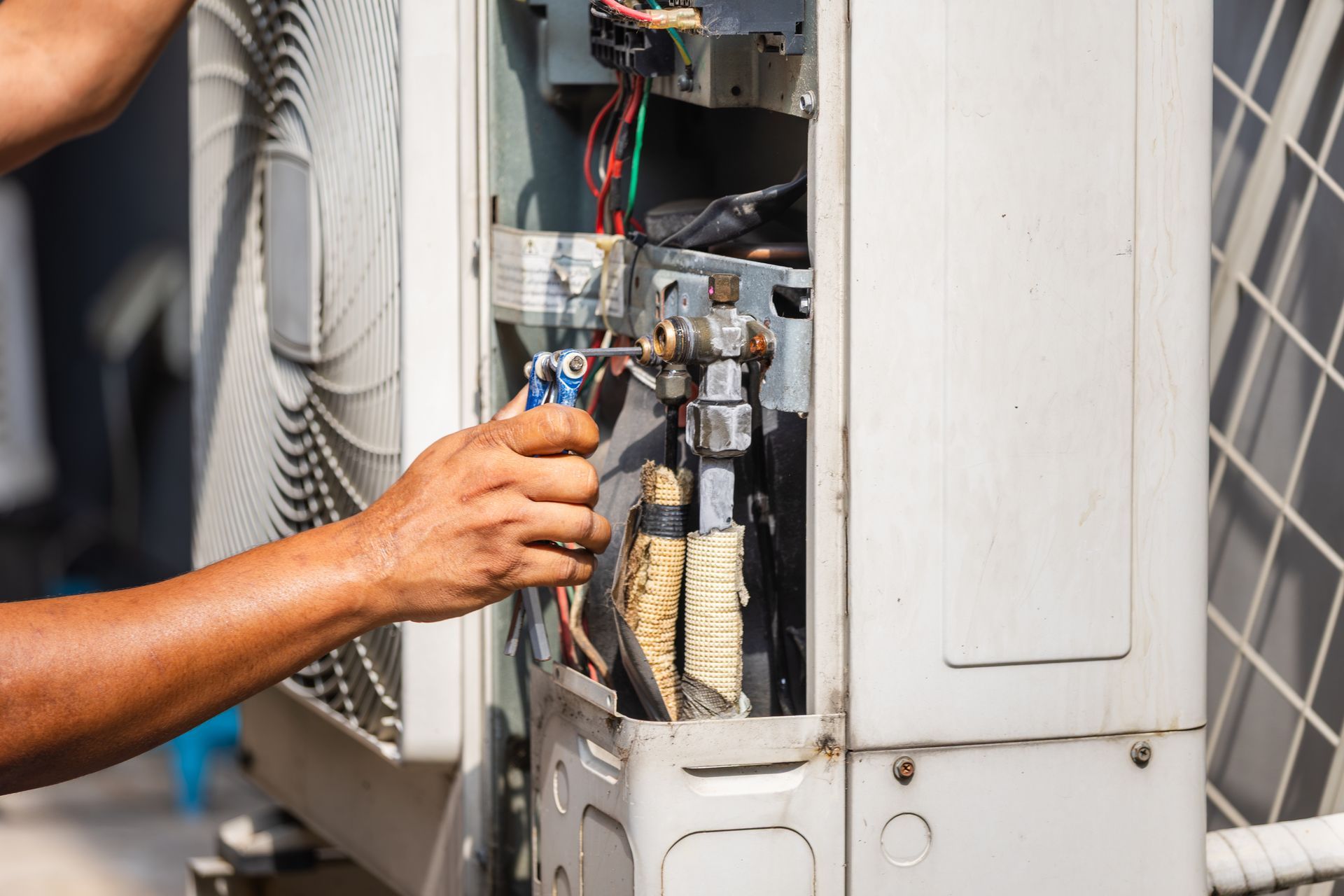
Both types of equipment need regular care. Heat pumps run in both seasons, so they can see more use over the year. Furnaces run mainly in cold months but still need yearly checks.
A seasonal tune-up can help any system run well and last longer. Ask what a maintenance visit includes. Regular filter changes help both types.
Dual-Fuel and Other Options
Some homes use both. A dual-fuel system pairs a heat pump with a gas furnace, and the system chooses which to use based on conditions. This can offer flexibility, but it also adds equipment and cost.
Ductless systems are another option for homes without ductwork or for additions. A contractor can walk through these choices with you. Ask for pros and cons in plain language.
Questions to Ask About Your Home
A few questions can guide your decision:
- Do I have natural gas or propane service?
- How old is my current equipment and ductwork?
- How well insulated is my home?
- How long do I plan to stay in the house?
- Do I want one system for both heating and cooling?
Share your answers with your contractor. They help narrow the options.
What a Contractor Should Check First
Before recommending equipment, a good contractor looks at the whole house. That includes the size of the home, the condition of the ducts, the electrical service, and where the equipment will go. A system that is too large or too small will not perform well.
Ask whether the contractor performs a load calculation. This is a way to match the equipment size to your home. A careful review helps you avoid a poor fit.
Permits, Licensing, and Safety
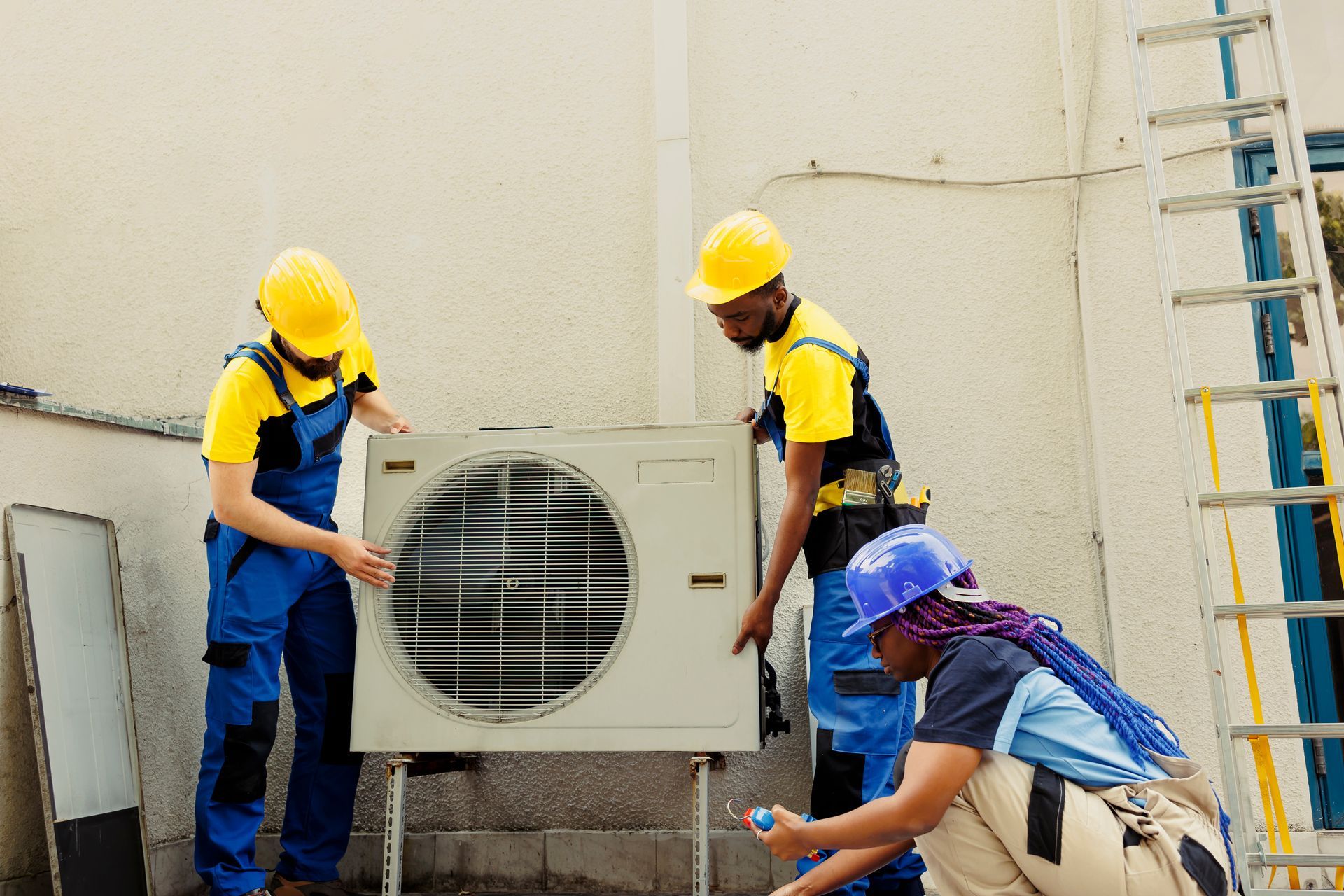
Installing heating and cooling equipment is not a do-it-yourself job. It involves electricity, refrigerant, and sometimes gas. Use a licensed, bonded, and insured contractor, and ask for proof.
Ask who handles permits, if any are needed, and how the work will be inspected. A written estimate helps you compare offers.
Common Questions About Heat Pumps and Furnaces
Can a Heat Pump Keep My House Warm in Winter?
In many homes, yes, especially in milder climates, though performance depends on the model and the weather. Some systems include backup heat for colder days. Ask your contractor what to expect in your house.
Is a Furnace Better Than a Heat Pump?
Neither is better for every home. The best choice depends on your fuel, climate, house, and budget. A contractor can compare them for your situation.
How Often Should I Have My Heating and Cooling System Serviced?
Most systems benefit from a yearly tune-up, and many homeowners schedule one before each season. Ask your contractor what a visit includes and what schedule fits your equipment.
Does a Heat Pump Need a Natural Gas Line?
No, a heat pump runs on electricity, so it does not need a gas line. Your contractor can confirm that your home's electrical service can support the equipment you choose.
Talk With a Local Contractor
Budget Heating and Cooling, a Horton, AL-based company, is serving Albertville, AL, homeowners as a home HVAC contractor, with heating, cooling, and ventilation work for all major brands. The team is licensed, bonded, and insured, offers free estimates and free second opinions, and has served Marshall County since 2005. You can read about our
heating services.
Call
(256) 840-5015 or use our
contact page to ask about your home. Office hours are Monday through Friday from 8:00 AM to 5:00 PM, and 24-hour emergency service is available.